
Not Here, Not There

Adolescence was when we began to claim our identities measured against others and anchored in place. My town, my farm, my group. I had a location, socially and geographically, but there was soon a quiet panic in not knowing exactly where I fit.
Three months of rheumatic fever had cut me off from all of it. When I boarded the school bus again, I imagined this must be what it feels like to rise from the dead—returning to the familiar, yet not quite part of it. I came back for the last two weeks of eighth grade. We all buzzed with anticipation about ninth grade—high school—in the fall.
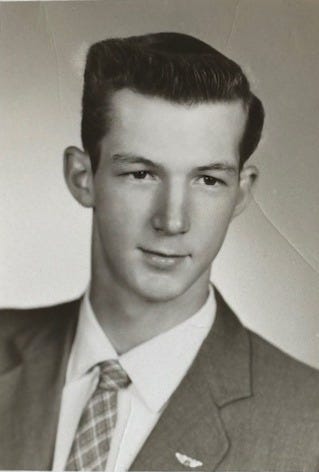
A new school year and, among friends, I could put this year behind me. I didn’t know that I wouldn’t be starting high school with them.
The legislature changed that. Mom, Linda, and I had kept the farm going while Dad was away. She didn’t want to go through it again. They decided to rent a house in St. Paul for the session and take Alan with them. Linda would live with a family in Janesville and help out as a nanny.
Something else was being arranged for me. Dad enrolled me in a vocational boarding school in Waseca. I didn’t know about it until he told me, and by then it was settled.
I felt betrayed.
Dad had gone to a year of prep school after high school and loved it. Maybe he thought I would too. I didn’t. The move left me suspended, without a circle of friends or any real sense of community. I was neither here nor there.
It was a high school run by the University of Minnesota. About two hundred fifty students came mostly from farms across southern Minnesota. There were three boys for every girl, and they them were headed toward farming or some kind of agricultural work.
I wasn’t.
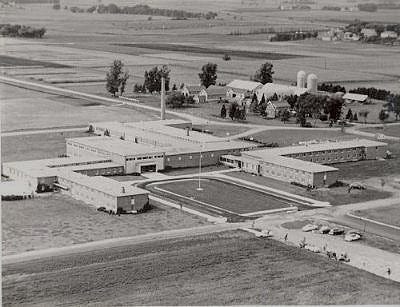
The courses were accelerated because the school year ran only six months—from early October to the end of March. Along with English, history, science, and math, we had to take vocational electives: poultry, farm management, agronomy, carpentry. The summer term was a for-credit project tied to those classes.
Most of the boys raised steers or hogs and kept careful records of feed and weight gain.
I painted the hog house.
We came from farms across the state, went home on weekends, and spent six months each summer back home on our projects. Between that and the regimented days, from breakfast to lights out, there was little room for community or deep friendships. We weren’t educated as we were processed. I knew this wasn’t a normal adolescence.
Suspended socially and geographically, these were the loneliest years of my life.
The administration knew my father served on the legislative committee that funded the school. It put me in a spotlight I didn’t want. The dean, unctuous and indirect, took a particular interest in me. Our encounters made my skin crawl.
As a parent, I understand that rebellion is a natural part of how an adolescent shapes an identity. At the time, though, rebellion wasn’t something I could get away with. A common name might have given me cover. Newell Searle didn’t. I was visible whether I wanted to be or not.
So, I kept my head down. I chose the easiest classes, did the minimum, and put my energy elsewhere. It showed. I mostly got Cs and didn’t care. My parents urged me to bring my grades up for college. I didn’t. I graduated twenty-eighth in a class of fifty-five.
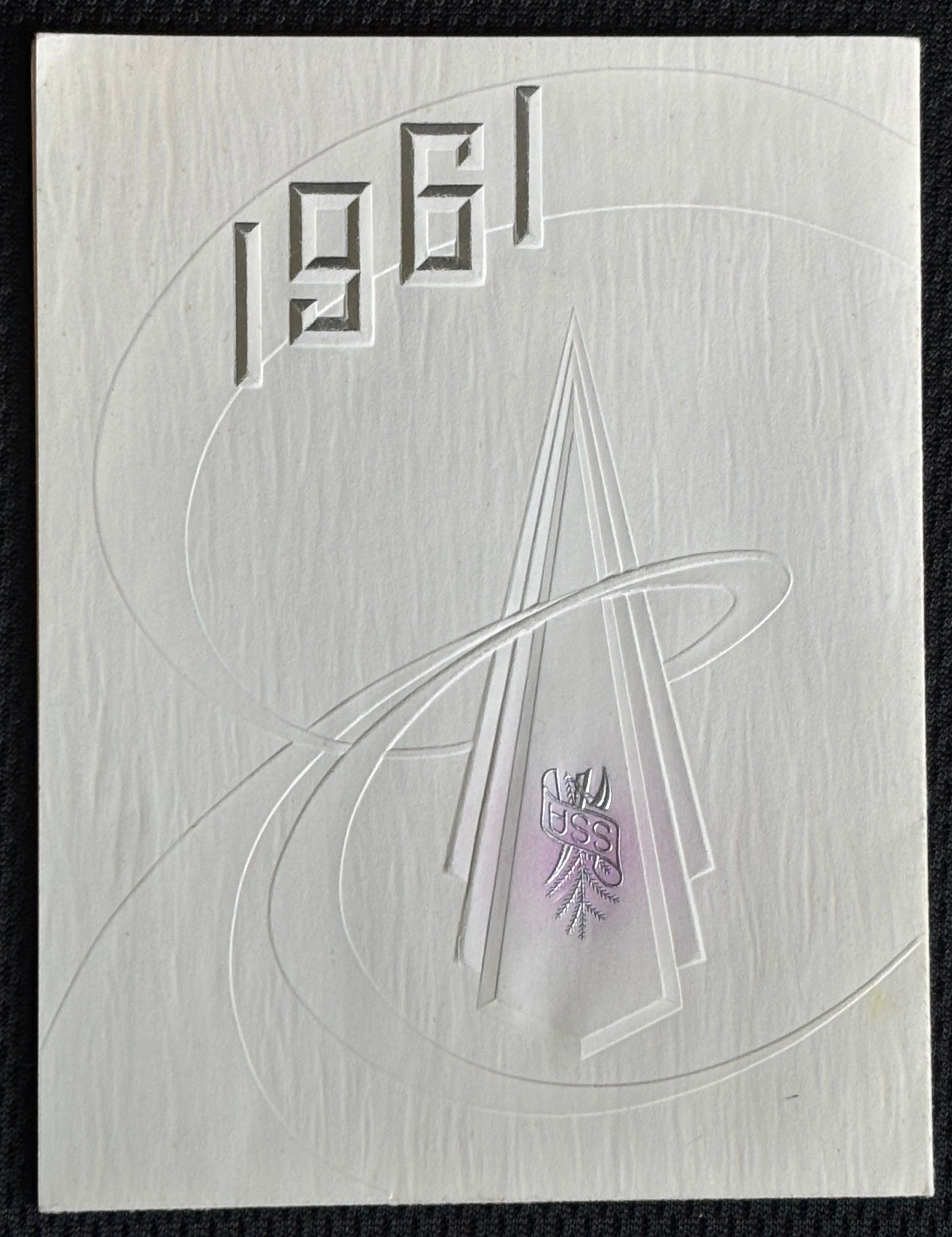
Four years at boarding school cut me off from the youths I had known for eight years. My grade school friends had moved on, and there was no catching up. I went to college and started over.
My dislike for that school lasted far longer than it should have. Thirty years later, the university closed it and sold the entire campus to the U.S. government as a low-security women’s prison. Somehow, that felt right.
I'd never heard of this boarding school in Waseca before. Your high school years sounded pretty miserable and lonely.
No one knows what they want to do or what their parents can afford to have them do when they are in high school. I ended up at Macalester due to a a sick day. I was at home in Mom’s bed when the college recruiter made the decision to visit. Regardless he must have liked what he saw, and I enrolled that fall, far from that small town in SD.